Need emergency tree removal services in Avon?
Tell us about your tree, add a few photos and request an estimate. A provider in our network can follow up with you.
No obligation
Request an estimate from a local provider
When a tree comes down, the first hour matters most for staying safe. Keep people and pets away, stay clear of any wires, and take photos from a distance. Those simple steps protect you and make every call that follows easier.
Protectioncontribute Tree Service is a referral service. We do not cut or haul trees ourselves. We connect homeowners in Avon and the Avon area with independent local providers who handle emergency tree removal, storm tree clearance and cleanup. Many providers can respond quickly, though availability changes with the weather and the day. Use the request form to describe what happened, and a provider in our network can follow up to talk through the job and the next step.
You heard the crack, or you woke up to a mess. Either way, slow down. Most of what you need in the first hour is simple. Check on everyone, keep your distance, and gather a few facts.
The tree is not going to get safer if you rush it. A calm plan beats a quick guess every time.
Work through these in order. Each one is safe to do from the ground, with no tools.
If a line is touching the tree, the roof, or the ground nearby, treat it as live. Stay well back. Do not touch the tree, a fence, or standing water near it. Report the line to your utility and wait for them to say it is safe.
Count heads. Move everyone away from the tree and from any branches still hanging. Bring pets inside. If someone is hurt, get medical help first. The tree can wait.
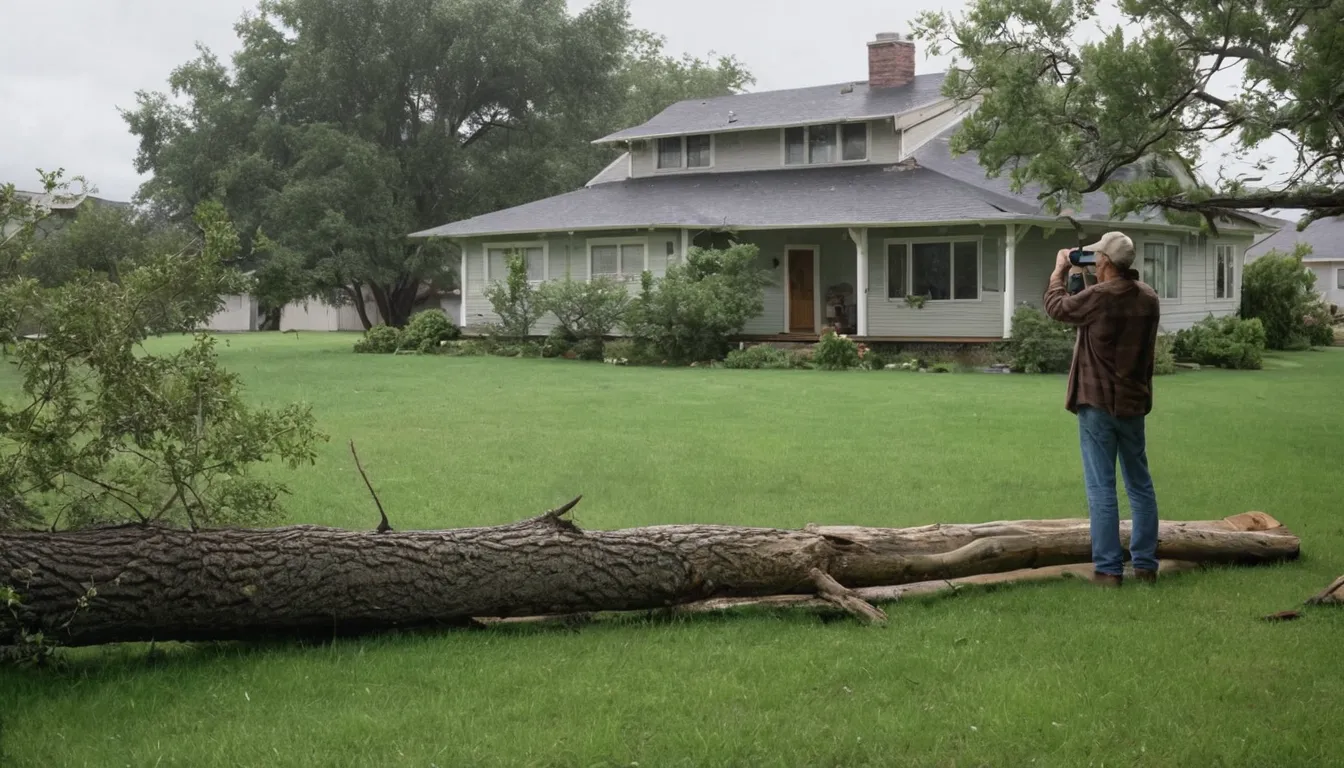
Stand at a safe distance and take wide shots, then closer ones. Capture the whole tree, the roots, the break point, and anything it hit. Add the date and time in a quick note on your phone.
Not every tree trouble is an emergency. Here is how to sort it.
If you see any of these, ask for an estimate and say plainly that it is urgent.
A fallen tree in an open yard, a small broken limb, or a split branch over a lawn is usually less pressing. Still, get it looked at before the next round of wind. Wet ground and ice can shift a tree that seems settled.
Good notes make everything smoother. Write down when it happened, what the weather was doing, and what the tree touched. Save the photos in one folder. Note the tree's size in rough terms, such as a trunk wider than your arm span.
If you spot damage to a fence, shed, gutter, or siding, photograph that too. When you request an estimate, you will be ready for the estimate with clear answers.
Here is the usual path from your request to a clear yard. Details vary by provider and by job.
A provider looks at the tree, the access, and what is underneath it. They check for wires, roof load, and soft ground. Then they explain the plan and give you a written quote.
Crews usually work from the top down or in sections, using ropes, saws, and sometimes a crane. A tree on a roof takes more care than one on a lawn. Ask what will happen to the logs and the brush when the work is done.
Some policies may cover sudden damage from a fallen tree, especially if it hits a structure. Rules differ, so read your policy or ask your agent before the work starts. Keep every receipt.
Providers can often help document damage for a claim with notes and photos of the cut. Your own pictures from the first hour still matter, so keep them safe.
When a hailstorm or a line of thunderstorms hits, many neighbors need help at once. Providers get busy, and schedules stretch. That is normal.
To keep things moving, send your request with clear photos and your address details. Request a callback to check provider availability if your situation is urgent. A tree on a house goes to the front of most lists.
You can limit extra harm without going near the tree. Tape off the area with rope or cones. Park cars away from it. If rain is coming and a roof is open, a provider or roofer may be able to place a tarp, so ask about it.
Skip the chainsaw unless the limb is small, on the ground, and nowhere near a wire. Anything under tension, hung up, or overhead is a job to leave alone.
Cold winters with deep frost, wet springs, and heavy summer storms all test a tree. Look for these warning signs once things settle:
An inspection and a bit of pruning cost far less than a crisis. Ask a provider to walk the yard with you.
A few questions up front save trouble later.
Get the answers in writing.
You have your photos, your notes, and a plan. That is most of the battle. Send your request and let a local provider take it from here.
Providers cut and clear trees that have come down across yards, driveways, fences, and roofs.
Broken or hanging limbs that threaten your home, car, or walkway can be safely taken down.
After hail or wind, providers clear trunks and branches so you can get out and move around.
Many providers haul away logs, brush, and chips so your yard is usable again.
Prices vary by tree size, access, and damage. These are typical U.S. ranges only. Always ask for a written quote before work begins, and expect emergency jobs to run higher.
| Item | Typical range | Notes |
|---|---|---|
| Small fallen tree in open yard | $300 – $1,000 | Easy access keeps the price lower |
| Large fallen tree, no damage | $1,000 – $3,000 | Size and trunk width drive the cost |
| Tree on house or roof | $2,000 – $10,000+ | Needs extra care and gear |
| Crane-assisted removal | $1,500 – $5,000+ | Used when ground access is tight |
| Storm limb clearing | $200 – $800 | Depends on number and height of limbs |
| Debris haul-away | $100 – $500 | Sometimes included in the quote |
Move people and pets away, keep clear of wires, and take photos from a safe distance.
Note the time, the weather, and what the tree hit before you forget.
Send your details and photos, and say if the situation is urgent.
Read the written quote, ask your questions, and then choose how to proceed.
Simple guidance helps you stay safe and organized before any provider arrives at your home.
Requests go to independent providers who work in your part of the area.
Good photos and notes help providers understand the job and quote it clearly.
Asking for an estimate does not commit you to hiring anyone.
Tell us about your tree, add a few photos and request an estimate. A provider in our network can follow up with you.
Get everyone out of the area, keep clear of any wires, and take photos from a distance. Then request an estimate from a local provider and tell them the tree is on your home.
Some policies may cover sudden damage, especially when a tree hits a structure. Coverage varies, so check your policy or ask your agent. Providers can often help document damage for a claim, and your own photos help too.
In the U.S., a small fallen tree may run a few hundred dollars, while a tree on a roof can reach several thousand. Emergency work often costs more. Ask for a written quote before any work starts, so you know what to expect.
Tell us about your tree, add a few photos and request an estimate. A provider in our network can follow up with you.
No obligation